Spring-Inspired Floral Recipes
0 Comments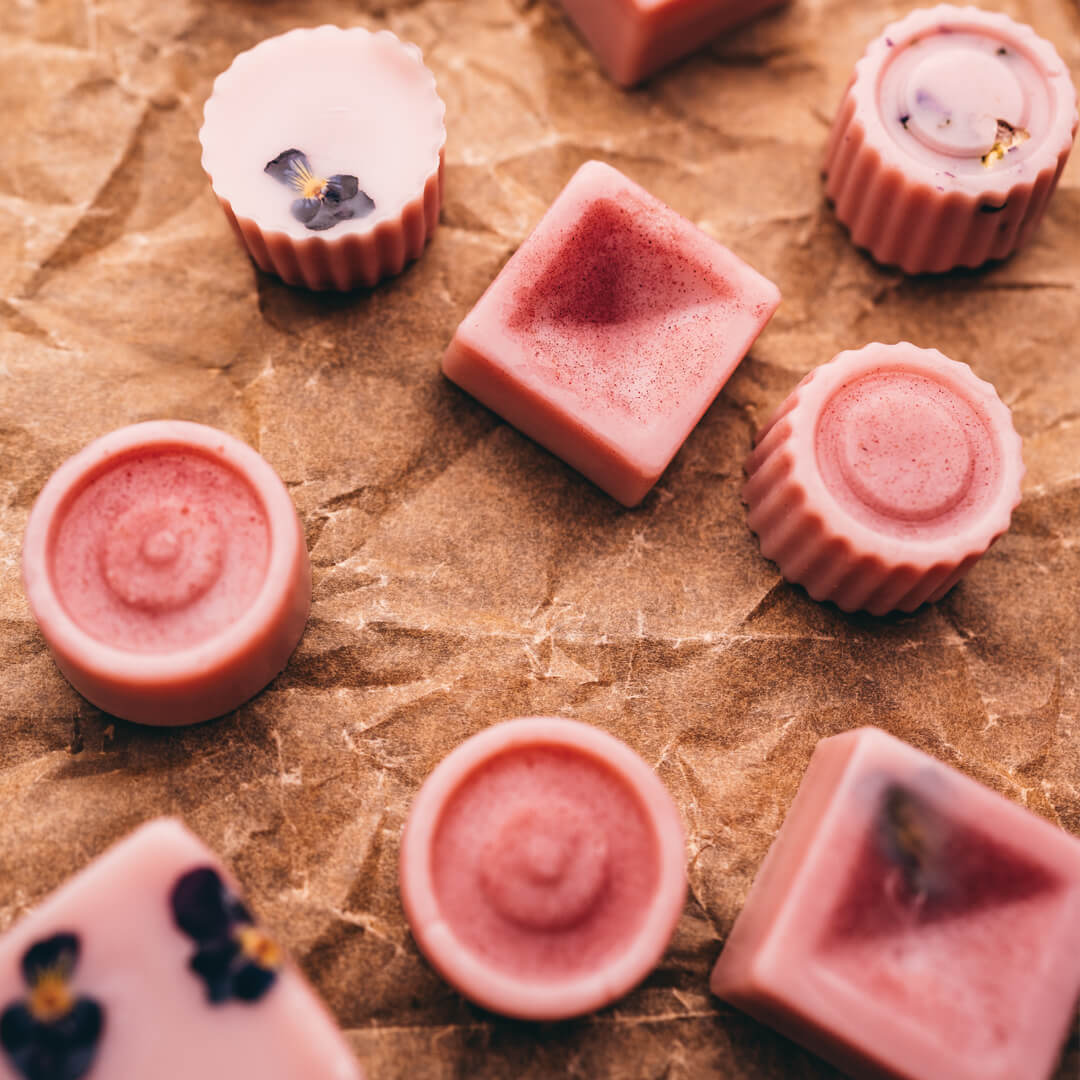

Words: Danielle Williams
Nothing says “spring is here” quite like blossoming flowers everywhere you go. From cut flowers to herbs and even weeds, there’s something special about these blooms signaling a new beginning and warmer weather. Here, we highlight a few of our favorite Willow and Sage recipes that showcase flowers.
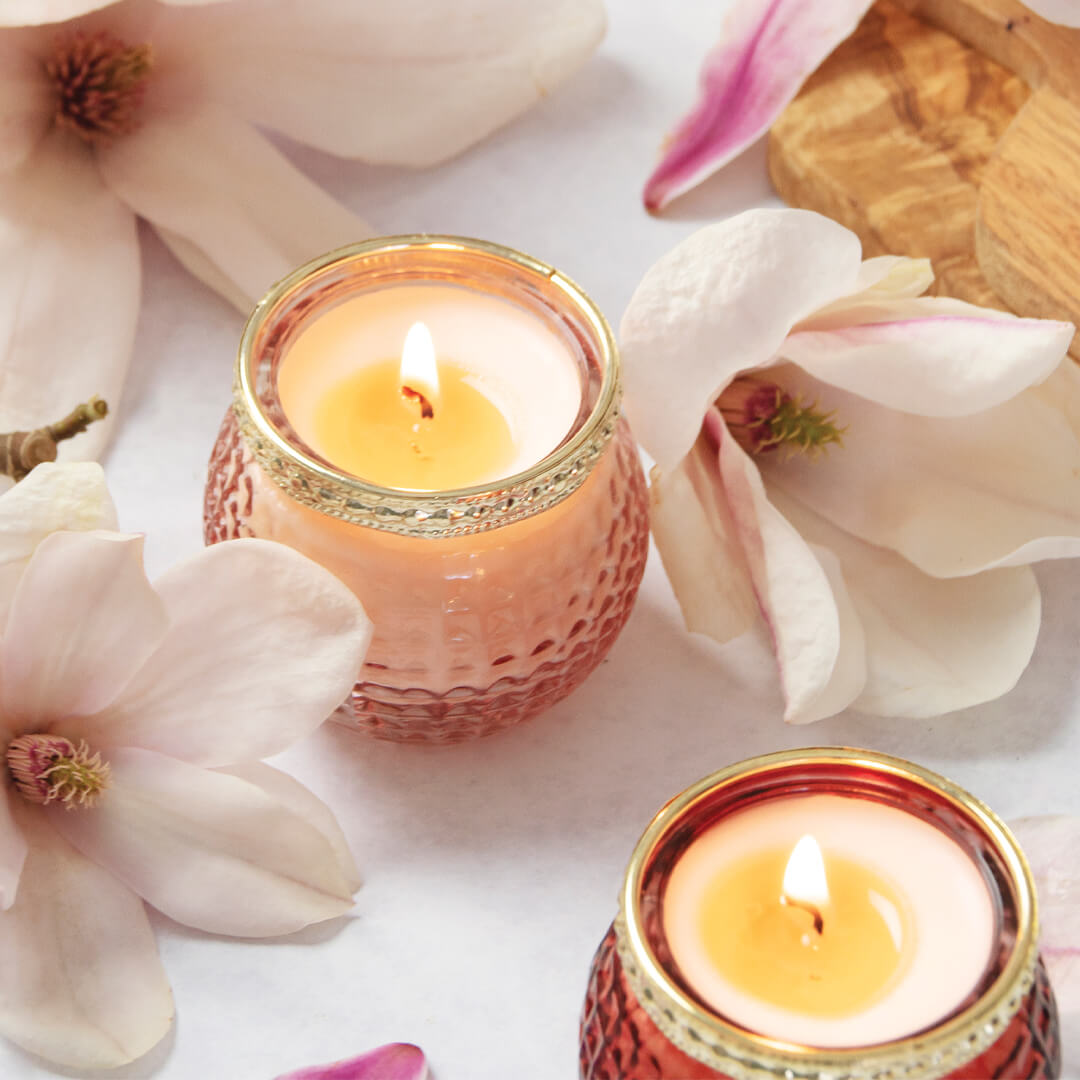
Springtime Magnolia
by Irena Saro & Cyna Rank from Willow and Sage Spring 2024
You Will Need
- • Cotton wick: pre-tabbed
- • Hot glue
- • Candle container: 3.5-oz.
- • Wick-centering device/Skewer
- • Melting pot
- • 3.5 oz. soy wax flakes
- • Metal spoon/spatula
- • Infrared thermometer
- • 100 drops magnolia essential oil
- • Scissors
To Make
To attach the wick, apply a drop of hot glue to the bottom of the wick tab. Secure it to the bottom of the candle container. Thread the wick through the wick-centering device to hold it in place, or wrap the wick around a skewer. In a melting pot, melt the soy wax flakes over a low flame on the stovetop until all the flakes have melted. Stir frequently to help the melting process. Once the flakes are liquid, take the pot off the heat, and let cool until the temperature reaches 185 degrees Fahrenheit.
Add the magnolia essential oil, and stir 30–40 times. Don’t rush the stirring; it’s important to help the oils and wax bond together. When the wax reaches 140 degrees Fahrenheit, pour it into the prepared candle container. Check that the wick is in the center. Let the candle sit undisturbed at room temperature for at least 24 hours. Before lighting the candle for the first time, trim the wick to ½ inch.
Violet Hibiscus Wax Melts
by Kristen Wood from Willow and Sage Spring 2025
You Will Need
- • Saucepan: small
- • ⅓ cup coconut oil
- • ½ tsp. hibiscus powder
- • Spoon
- • Double boiler
- • ¾ cup pellets/grated beeswax
- • 10 drops violet essential oil
- • 5 drops hibiscus essential oil
- • Silicone molds
- • Dried hibiscus & violet flowers (optional)
To Make
In a small saucepan over low heat, add the coconut oil and hibiscus powder. Gently warm, while stirring, until the oil is a lovely dark-pink hue and the powder has dissolved. Turn off the heat, and set aside. In a double boiler over medium heat, add the beeswax, and stir until fully melted. Add the hibiscus oil to the melted beeswax, and stir until well incorporated. Turn off the heat, and gently mix in the essential oils. Carefully pour the wax melt mixture into the silicone molds. Add dried hibiscus and violet flowers on top, if desired. Allow the wax melts to cool and set, at least two hours before removing them from the molds. Store in a cool location for up to one year.
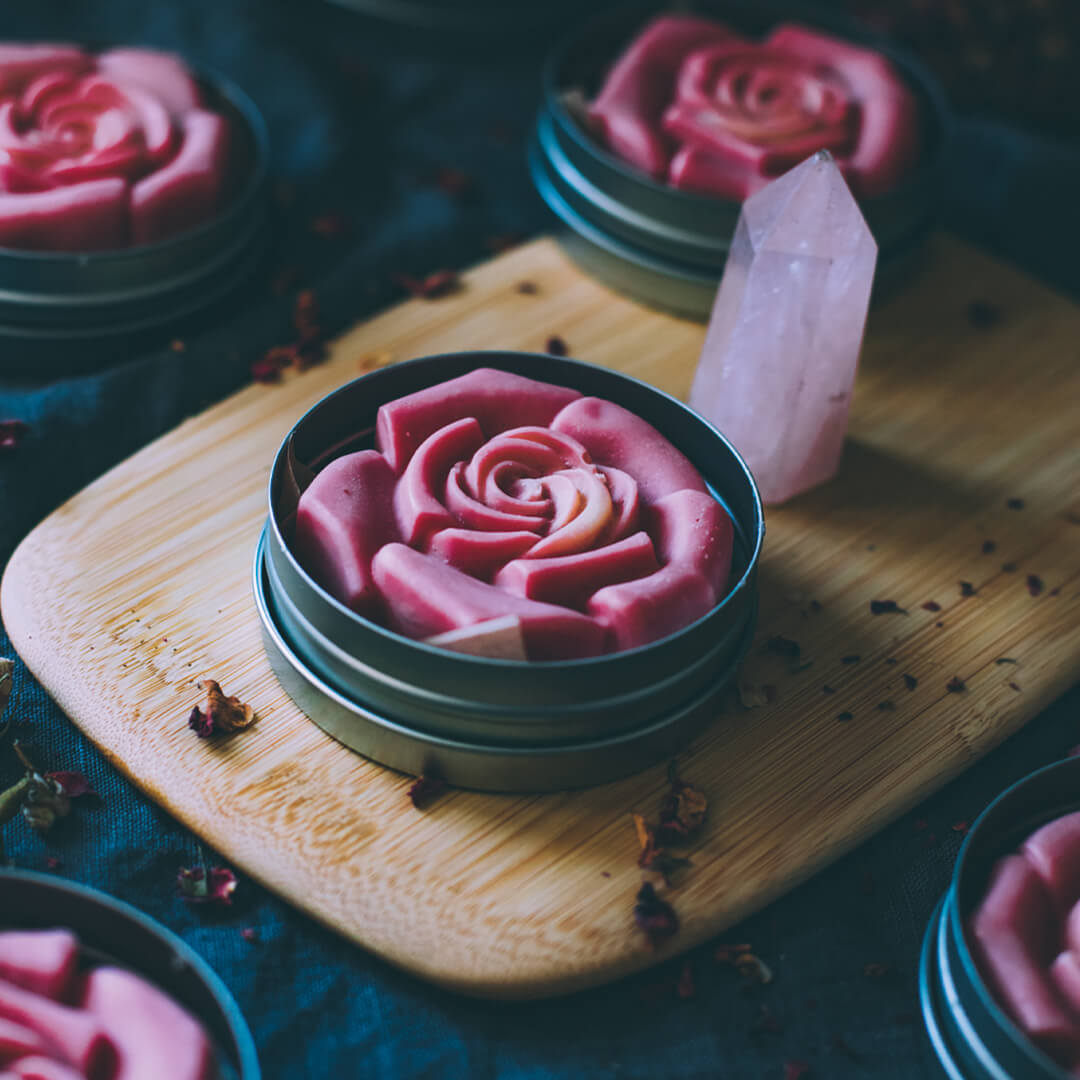
Cocoa Rose Lotion Bars
by Stephanie Mary Pavelko from Willow and Sage Spring 2024
You Will Need
- • Double boiler
- • 4 oz. carnauba wax
- • 8 oz. cocoa butter wafers
- • 4 oz. mango butter
- • 8 oz. rose-infused olive oil
- • 5 drops rose essential oil
- • 5–10 drops geranium essential oil
- • Glass cups w/ spout
- • ¼ tsp. rose clay
- • Silicone molds
- • Oven mitt
- • Tins
- • Parchment paper
To Make
In a double boiler, melt the carnauba wax. Once it’s melted, let it cool slightly, and add the cocoa butter wafers. Once the wafers are cool, turn off the heat, and add the mango butter, rose-infused olive oil, and essential oils. Once melted, quickly separate the melted mixture into glass cups with a pour spout. Add the rose clay powder to one of the cups, and mix well. If the mixture starts to harden, simply warm it again in the double boiler. Carefully pour the pink mixture into silicone molds, and then pour the plain mixture right after. Be careful, as the glass could still be very hot! Use an oven mitt to safely pour.
Let the lotion bars cool and harden. After an hour or two, the lotion bars might still be soft, so you could place them in the fridge overnight to fully set. Gently remove the lotion bars by pulling on the silicone molds around the lotion bars. Store the lotion bars in push-top tins with parchment paper. If you live in a very warm climate, store them in the fridge.
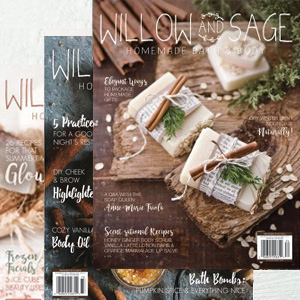
Find more spring-inspired floral recipes in our Willow and Sage magazine.
Danielle Williams is the managing editor for Willow and Sage, The Natural Home Issue, Mingle, and Art Quilting Studio. She lives with her growing family in Orange County, California.
5 Natural Additives for Handmade Soap
1 Comment
Photo Credit: Johanna Love
Long before modern fragrance blends and colorants, soapmakers turned to the pantry, the garden, and the herb cupboard for ingredients that shaped the look, scent, and feel of a bar. These additions are rarely complicated. When used thoughtfully, they speak for themselves.
Go-To Nighttime Skin-Care Recipes
0 Comments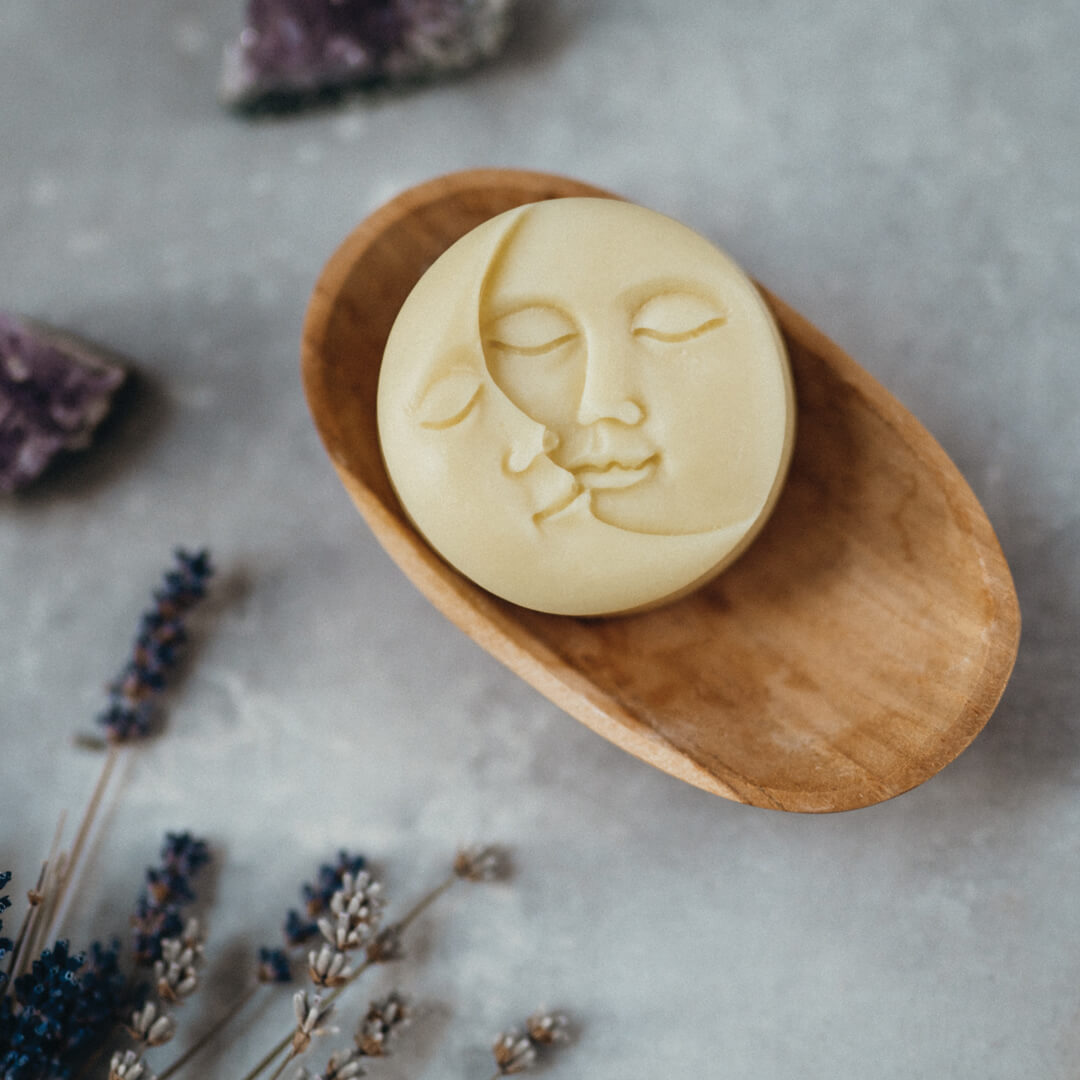
Words: Danielle Williams
After a long day, there’s nothing quite like taking off your makeup, washing your face, and applying your favorite skin-care products before slipping into bed for a peaceful rest. Thankfully, there are many ways to infuse natural recipes into this portion of your skin-care regimen.










Give a Gift • Subscribe • Renew
Who We Are
Welcome to flourish, a haven for all things homemade bath and body.
By reading flourish, you’re not just taking care of your skin. You’re discovering the importance of loving your skin, and everything in-between. flourish is more than just a blog. It’s our way of encouraging everyone to thrive in a healthy and vigorous way – to empower wellness in all aspects of your day-to-day life.


