Milk in Bath and Body Care
0 Comments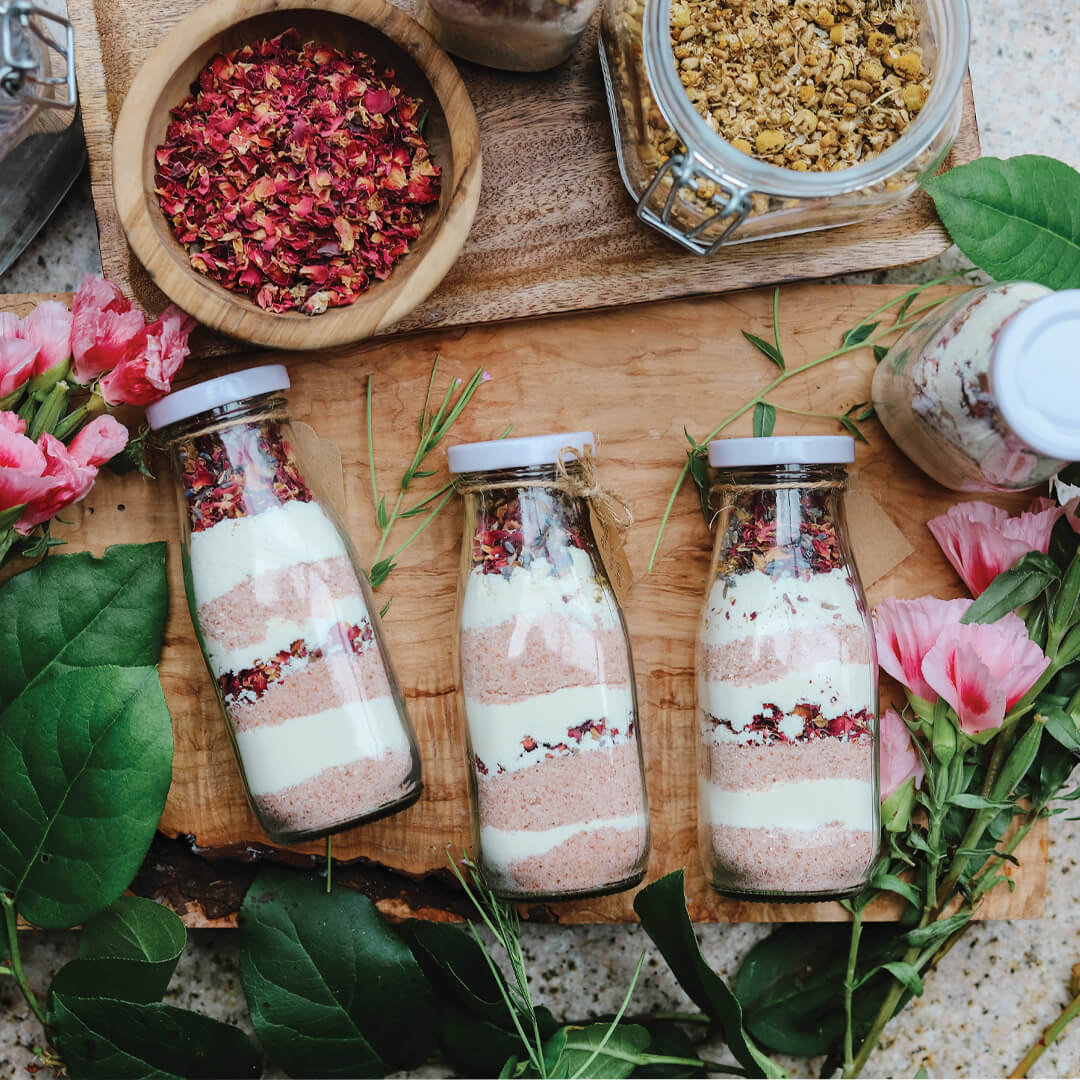

Photo Credit: Holly Brandenberger
Milk has long found its place in bath and body care, not just as an indulgence, but as a practical ingredient that softens and brings richness to everyday use. It appears in soaps, bath soaks, and gentle cleansers, often without calling attention to itself. The effect is felt more than noticed. Skin feels less tight. Lather takes on a softer quality. The experience becomes more settled overall.
There is no single way to work with milk. It can be added fresh, powdered, or incorporated into oils and bases. Each approach carries its own character.
Milk as an Ingredient
Milk contributes both sugars and fats, which influence how a preparation behaves. In soap, these sugars help create a creamier lather. In bath soaks, milk softens the water and leaves the skin feeling more comfortable after drying. In liquid preparations, it lends a gentle weight that plain water does not provide.
Different types of milk bring subtle variation. Goat milk is often chosen for its balanced composition and mild scent. Coconut milk creates a fuller, more velvety feel. Oat milk is lighter and pairs easily with herbal ingredients, while cow’s milk offers a more traditional base.
Milk in Handmade Soap
Using milk in soapmaking requires a careful approach, as the heat generated during the process can scorch the milk. Chilling or freezing the milk beforehand helps control temperature and preserve its pale color. The process takes more attention, but the result is a bar that feels smoother and more conditioning.
Milk-based soaps are often paired with a small number of complementary additions. Oats, honey, or mild botanicals tend to support the softness of the base without overwhelming it.

Rose Coconut Milk Bath Bars
by Kristen Wood from Willow and Sage Summer 2025
You Will Need
- • Bowl: large
- • 1 cup coconut milk powder
- • ½ cup unrefined coconut oil
- • ½ cup sea salt, fine-/medium-ground
- • 10 drops rose absolute essential oil
- • Whisk
- • ¼ cup dried rose petals, crushed
- • Silicone molds of choice
To Make
In a large bowl, combine the coconut milk powder, coconut oil, sea salt, and essential oil. Whisk everything until smoothly combined. Fold in the crushed rose petals. Pour the mixture into the silicone molds of your choice. Pop the molds into the freezer to set for about 15 minutes. Alternatively, you can let them set at room temperature for a few hours. Gently remove the bars from the molds. Store in a cool, dry place away from direct sunlight for up to six months. To use, drop one bath bar into warm, running bathwater.
Milk Baths and Soaks
The most direct way to work with milk is in a bath. Powdered milk is often preferred for this purpose, as it stores well and blends easily with other dry ingredients. When combined with salts, baking soda, or finely ground oats, it creates a mixture that dissolves gradually in warm water.
Layered Rose Milk Bath
by Holly Brandenberger from Willow and Sage Spring 2025
You Will Need
- • Glass bowl: small
- • 3–5 drops lavender & rose essential oils/of choice
- • ½ TB. jojoba oil
- • Spoon
- • ¾ cup pink Himalayan pink, fine/Epsom salt/
- • Dead Sea salt
- • Milk bottles: 12-oz.
- • ½ cup powdered whole milk/coconut milk
- • 2 TB. dried flowers
To Make
In a small glass bowl, combine the essential oils and jojoba oil, and then stir in the salt. Begin making layers in the milk bottles: start with the salt, add the powdered milk and a few rose petals, and continue the sequence until the bottle is full, generally using about ¼ cup per layer. Top with dried flower petals. To use, add half of the mixture to a warm bath, and enjoy! This recipe would also work beautifully in a foot bath.
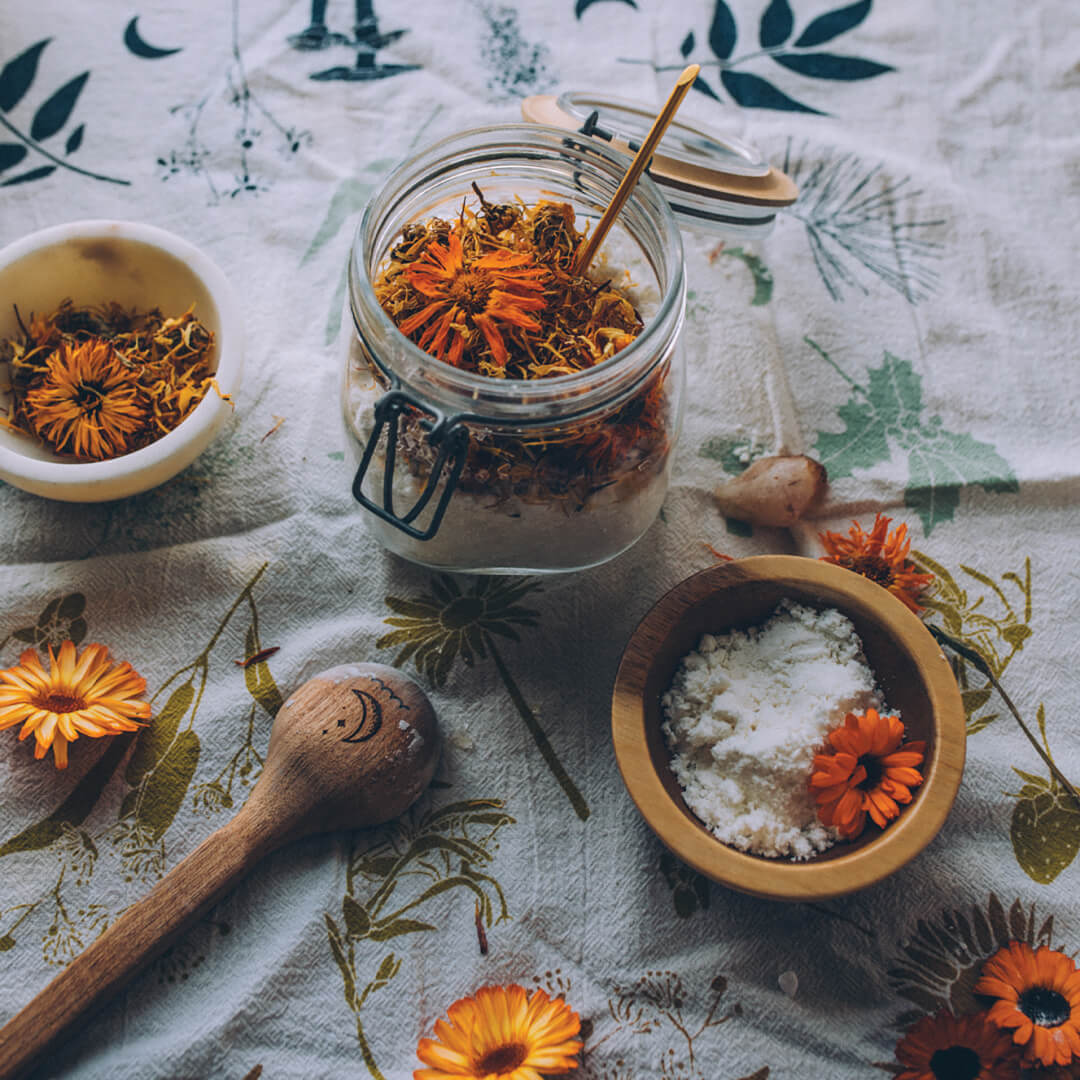
Calendula & Coconut Milk Bath Soak
by Stephanie Mary Pavelko from Willow and Sage Spring 2024
You Will Need
- • Bowl
- • 1 cup Epsom salt
- • ½ cup Dead Sea salt
- • ½ cup coconut milk powder
- • 1 TB. baking soda
- • ¼ cup calendula-infused olive oil
- • 1–2 small handfuls calendula flowers
- • Jar
To Make
In a bowl, add all the salts, coconut milk powder, baking soda, infused olive oil, and dried calendula flowers, and mix well. If you want the bath soak to have more moisture, you can add more oil. Store the mixture in a jar. To use, start the bath, and pour ¼ cup of the bath soak mixture in the water.
Find more recipes for milk baths and soaks in our Willow and Sage magazine.









Give a Gift • Subscribe • Renew

Who We Are
Welcome to flourish, a haven for all things homemade bath and body.
By reading flourish, you’re not just taking care of your skin. You’re discovering the importance of loving your skin, and everything in-between. flourish is more than just a blog. It’s our way of encouraging everyone to thrive in a healthy and vigorous way – to empower wellness in all aspects of your day-to-day life.


